

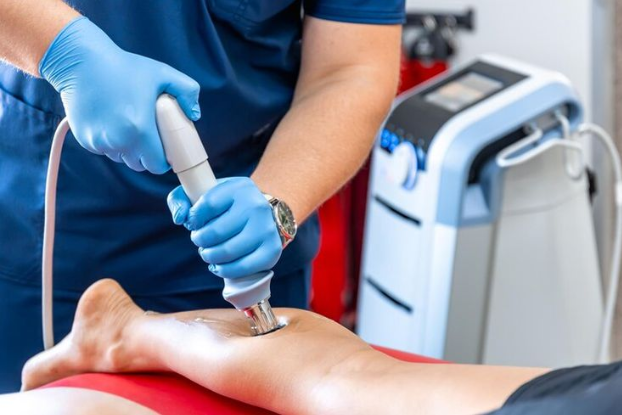
Physical rehabilitation has evolved tremendously over the past few decades. New technologies and techniques are emerging to improve recovery times and overall outcomes. One such approach gaining attention is ShockWave Therapy Treatment. This method is showing promise in addressing musculoskeletal pain and enhancing healing in patients recovering from injuries. Its non-invasive nature and targeted effects make it an appealing choice for therapists and patients alike.
Understanding ShockWave Therapy Treatment
ShockWave Therapy Treatment involves the use of acoustic waves to stimulate the body’s natural healing processes. These waves are delivered to injured tissues, promoting blood circulation and accelerating tissue repair. Unlike surgical interventions, it is minimally invasive and typically requires no downtime. In rehabilitation settings, it is often used to treat chronic pain, tendon injuries, and muscle stiffness. ShockWave Therapy Treatment has also gained recognition for its ability to improve mobility and support long-term recovery.
Impact On Tendon And Muscle Healing
One of the most significant benefits of ShockWave Therapy Treatment is its role in tendon and muscle healing. Injuries such as tennis elbow, plantar fasciitis, and Achilles tendonitis often respond well to this therapy. The targeted acoustic waves stimulate collagen production and enhance blood flow to damaged areas. This not only reduces pain but also accelerates tissue regeneration. Patients often notice improvements in flexibility and strength after a few sessions, making ShockWave Therapy Treatment a valuable tool in rehabilitation programs.
Integration Into Physical Therapy Programs
Physical therapists are increasingly incorporating ShockWave Therapy Treatment into comprehensive rehabilitation plans. It complements exercises and manual therapies by targeting areas that are difficult to treat with traditional methods alone. This integration allows patients to regain function faster and with less discomfort. Additionally, therapists can adjust the intensity and frequency of sessions based on individual needs, making the therapy highly adaptable. ShockWave Therapy Treatment is becoming a key component of modern, patient-centered recovery strategies.
ShockWave Therapy Treatment for Pain Management And Recovery Acceleration
Another notable advantage of ShockWave Therapy Treatment is its effectiveness in managing chronic pain. Patients with long-standing injuries often experience reduced pain levels after undergoing sessions. The therapy’s ability to trigger the body’s natural healing mechanisms helps address underlying causes rather than just masking discomfort. As a result, recovery times are shortened, and patients can return to daily activities or athletic pursuits more quickly. ShockWave Therapy Treatment is emerging as a reliable option for those seeking both relief and functional improvement.
Long-Term Benefits And Preventive Applications
Beyond immediate rehabilitation, ShockWave Therapy Treatment offers long-term benefits. Regular sessions can prevent the recurrence of certain musculoskeletal issues by strengthening tissues and improving flexibility. Athletes and active individuals use it proactively to maintain peak performance and reduce injury risks. Its preventive potential adds another layer of value to rehabilitation programs. ShockWave Therapy Treatment is not just a short-term solution but a strategic investment in ongoing musculoskeletal health.
Conclusion
ShockWave Therapy Treatment is transforming the landscape of physical rehabilitation. By promoting tissue repair, reducing pain, and enhancing mobility, it offers a non-invasive alternative to traditional interventions. Its integration into therapy programs provides patients with faster recovery and better long-term outcomes. As research continues and technology advances, ShockWave Therapy Treatment is poised to become an essential tool in the pursuit of effective and efficient rehabilitation.
23 Comments
Pingback: lasix for dogs
Pingback: sertraline 25mg cost
Pingback: doxycycline 100 mg price
Pingback: lasix medicine for cats
Pingback: cialis 5mg online
Pingback: viagra pill alternatives
Pingback: tadalafil walmart
Pingback: bupropion in arabic
Pingback: saxenda cost ontario
Pingback: terbinafine side effects resource
Pingback: what is acular ketorolac
Pingback: ketoconazole indication breakdown
Pingback: ketorolac tromethamine reference
Pingback: toradol short term overview
Pingback: minoxidil mechanism science
Pingback: sildenafil food interaction science
Pingback: sildenafil ED mechanism
Pingback: avanafil food interaction spectrum
Pingback: avanafil mechanism description
Pingback: heart condition contraindications
Pingback: how vardenafil works
Pingback: orlistat high‑risk patients
Pingback: augmentin core information